

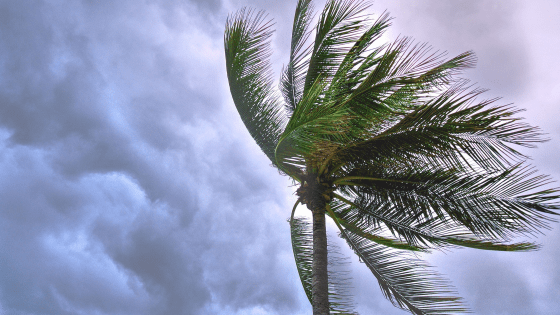
Preparing for hurricane season in Florida is an essential task for residents, as it ensures safety and minimizes potential damage. The hurricane season, running from June 1st to November 30th, demands attention and preparation to weather the storms effectively. Key steps include creating an emergency plan, stocking up on supplies, and securing one’s home.
Firstly, developing an emergency plan is crucial. This plan should outline evacuation routes, local shelters, and a communication strategy for family members in case you are separated. It’s important to consider the needs of all family members, including pets. Additionally, keeping important documents in a safe, easily accessible place ensures that you can grab them quickly in case of an evacuation.
Stocking up on supplies is another critical step. A well-prepared supply kit includes non-perishable food, water (at least one gallon per person per day for at least three days), medications, a flashlight, batteries, a first aid kit, and a battery-powered or hand-crank radio to stay informed. It’s also wise to have cash on hand, as ATMs and credit card systems may not be operational immediately following a hurricane.
Securing your home can greatly reduce potential damage. Installing storm shutters, securing loose outdoor items, and reinforcing garage doors can help protect your property. Regularly trimming trees and clearing gutters can also prevent unnecessary damage during a storm. By taking these precautions, residents can significantly mitigate the risks posed by hurricanes and ensure a quicker return to normalcy after the storm passes.
When preparing for a hurricane, it’s crucial to have a well-stocked supply kit to ensure you and your family can weather the storm safely. The essentials for a hurricane supply kit should support you for at least 72 hours after the hurricane, considering the possibility of power outages, water supply contamination, and the inaccessibility of stores. Here’s a comprehensive list to help you assemble your kit:
- Water: Aim for at least one gallon per person per day for at least three days, for drinking and sanitation.
- Food: Stock up on at least a three-day supply of non-perishable food items. Choose foods that require no refrigeration, preparation, or cooking, and little or no water.
- Battery-Powered or Hand Crank Radio: This is crucial for staying updated on hurricane developments and emergency information.
- Flashlight: Power outages are common, making flashlights a must-have. Don’t forget extra batteries.
- First Aid Kit: Include personal medications and any necessary medical items. Check that everything is up to date.
- Extra Batteries: Have these for all your devices, such as flashlights and radios.
- Whistle: This can be used to signal for help if needed.
- Dust Mask: Helps filter contaminated air and plastic sheeting and duct tape to shelter in place.
- Moist Towelettes, Garbage Bags, and Plastic Ties: For personal sanitation.
- Wrench or Pliers: To turn off utilities if necessary.
- Manual Can Opener: For food, if your stock includes canned goods.
- Local Maps: With street details, to help navigate if technological devices fail.
- Cell Phone with Chargers and a Backup Battery: Ensure you have a way to communicate if the power is out.
- Cash: ATMs and credit card machines may not be working if the power is out.
- Important Documents: Keep copies of insurance policies, identification, and bank account records in a waterproof, portable container.
- Clothing and Bedding: Include a change of clothing for each family member and bedding in case you must leave your home.
- Sanitation and Hygiene Items: Such as feminine supplies and personal hygiene items.
- Pet Supplies: If you have pets, don’t forget food, water, and other supplies they might need.
- Entertainment: Books, games, and other activities to keep everyone occupied if you’re confined indoors.
This list can be your starting point; customize it based on your family’s specific needs, considering any unique requirements such as dietary restrictions, prescription medications, or the needs of infants and elderly family members. Remember, the key to hurricane preparedness is to start early, so you’re ready when a storm is on the horizon.
 Minor Realty Group
Seems like the seasons are getting longer every year. Which coast are you guys working out of? Over on the Space Coast. Thanks for sharing!
Darron Burow – Satellite Beach Realtor
Thanks for commenting! I agree…the seasons are definitely getting longer! We’re located here in Broward county. Hope everyone stays safe this season!