

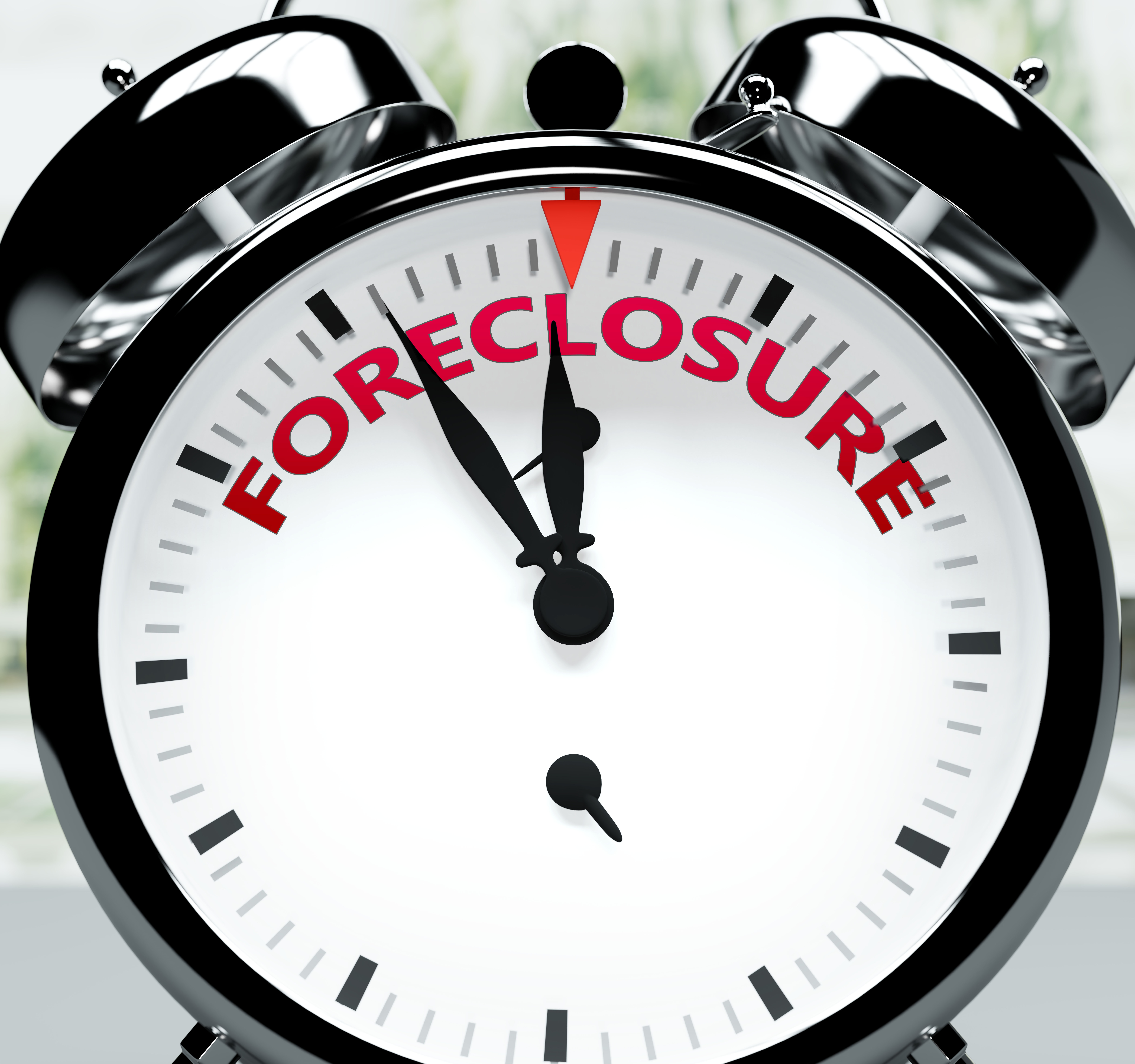
A foreclosure remains on your credit for 7 years
The Effects of Foreclosure: Time is Not on Your Side
It always seem as though bad things happen to good people. And a lot of the times, it’s out of our control. Usually those circumstances will lead to other unfortunate events. Losing your home to a foreclosure is one of them.
Everyday, in every state, in every county, someone is losing their home to a foreclosure. A foreclosure is the legal process by which a borrower in default under a mortgage is deprived of his or her interest in the mortgaged property. This usually involves a forced sale of the property at a public auction with the proceeds being applied to the mortgage debt. So what’s a homeowner to do?
You could try to sell your home… but what if it doesn’t sell? You could rent your home…but do you really want the landlording headaches? You can list with an agent or you can make a plan with your bank…depending on the terms and conditions. Sometimes a foreclosure can be postponed up to a year. When a foreclosure is cancelled, it means that the homeowner is up to date on their monthly payments or has worked out a loan modification. If the owner goes back into default, then the foreclosure process starts over again.
What do sellers do?
- Wait until the last minute
- Nothing
- Continue to sink
- Keep quiet
Usually, sellers are in denial or too proud to ask for assistance. But what most sellers fail to understand is the consequences of the foreclosure process.
It’s important to note that the impact of a foreclosure extends beyond the loss of one’s home. A foreclosure remains on a person’s credit report for seven years, significantly affecting their ability to secure loans, credit cards, and even housing in the future. The long-term damage to one’s credit score and financial standing underscores the urgency of addressing mortgage payment issues promptly. Seeking advice from a financial advisor, contacting the lender at the first sign of financial trouble, and exploring all available options are critical steps in preventing foreclosure and protecting one’s financial future.
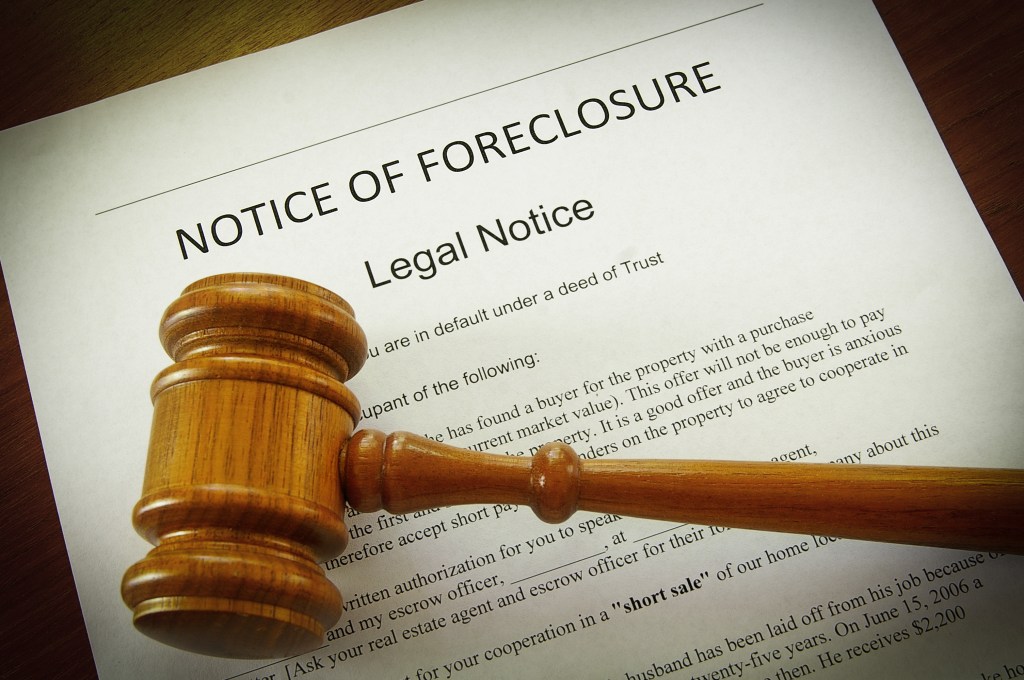
The situation for homeowners falling behind on their mortgage payments is both stressful and daunting. The longer the delay in addressing the issue, the more complicated and expensive the problem becomes. Not only do the missed payments stack up, but additional fees and penalties also begin to accrue, adding to the financial burden. This can quickly become a slippery slope, leading homeowners further into debt. The consequences of ignoring or delaying action are not just limited to mounting debt; they extend to the risk of losing one’s home.
Did you know that the banks pay their foreclosure attorney using the equity from your home? You may have thought that you had a lot of equity before the foreclosure process began. But as days, weeks and months go by, fees start to accrue on a daily basis. Your home usually becomes upside, meaning you owe more than what the home is worth. This is why it’s important for sellers to find a solution as soon as they realize that they cannot make any more payments on their home.
Making some type of arrangement with the bank is crucial. Lenders are often open to working with homeowners to find a solution that prevents foreclosure. This could include modifying the loan terms, establishing a repayment plan for missed payments, or exploring options for refinancing. Taking proactive steps to communicate with the lender can not only stop the immediate threat of foreclosure but also help in managing the long-term financial implications. It is in the best interest of both the homeowner and the lender to avoid foreclosure, as it can be a costly and lengthy process for all parties involved. Keep in mind that banks are not in the business of taking back houses. They are in the business of loaning money.
Alternatively, seeking the assistance of a real estate investor might offer a viable solution for those unable to reach an agreement with their bank. Investors often have the flexibility and resources to propose creative solutions that can benefit both parties, such as purchasing the property directly, facilitating a short sale to avoid foreclosure, or leasing the property back to the homeowner with an option to buy in the future. This route can provide a quicker resolution, alleviate the immediate financial burden, and potentially offer a fresh start. Regardless of the chosen path, the key is to act swiftly and explore all available options to navigate through financial difficulties and secure a stable future.
There’s no need for the embarrassment. As I mentioned in the beginning of my post, it always seem as though bad things happen to good people. I like to have in-person meetings with sellers so that I can understand their story. I provide available options to help sell your home so that you can move on with your life. My ultimate goal is to stop the foreclosure process. Once the back payments are made up, it will immediately stop the foreclosure process, save and improve your credit!


