

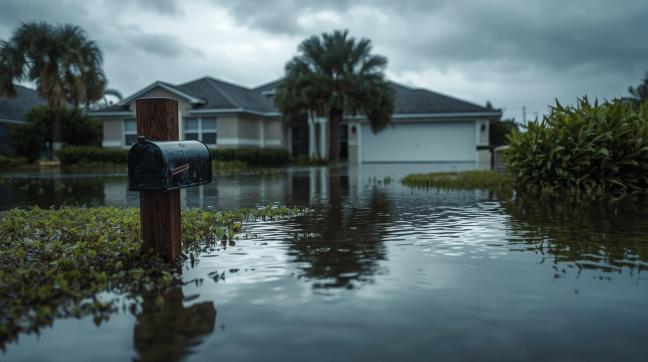
When planning to purchase a home, one valuable tip for assessing potential home insurance needs is to visit the neighborhood during rainy weather. This might seem unusual at first, but it can provide essential insights that are often overlooked during typical walkthroughs. Here’s why it’s a good idea:
Assess Drainage and Flooding Risks
Rain can reveal how well the neighborhood and specific property handle water. Look for signs of poor drainage such as:
- Puddles and Standing Water: These can indicate ineffective drainage systems. Persistent standing water can lead to property damage and might affect your insurance premiums.
- Flooding: Observe if the street or yard floods during a moderate rain. Frequent flooding could mean the area is prone to water damage, which can significantly influence your insurance costs.
Check the Condition of Roads and Infrastructure
Rain can accentuate the condition of roads and infrastructure:
- Road Quality: Poorly maintained roads can become hazardous when wet, indicating potential maintenance issues in the area.
- Gutters and Drains: Observe whether the gutters and storm drains are functioning properly. Clogged or overflowing drains can cause water backup, leading to property damage.
Evaluate the Neighborhood’s Resilience
Rainy conditions can also give you a sense of the community’s resilience:
- Community Response: See how neighbors deal with adverse weather. A proactive community may quickly address flooding or drainage issues, which can be reassuring.
- Property Maintenance: Look at how well neighboring properties are maintained. Poor maintenance can lead to increased risks and might affect your home insurance rates.
Additional Considerations
- Insurance Implications: Understanding these factors can inform your discussions with insurance providers, allowing you to get more accurate quotes and better coverage tailored to the specific risks of the area.
- Long-term Investment: Ensuring that your prospective home is not prone to water-related issues can protect your investment and provide peace of mind.
By visiting the neighborhood during rainy weather, you can gather valuable insights into potential water-related challenges. This proactive approach will not only help you make a more informed home purchase decision but also assist in securing the appropriate home insurance coverage.
 Minor Realty Group